

Top-rated fillet knives aren't necessarily the ones with the most five-star reviews. A knife can be popular and still be a poor match for cleaning snapper or redfish after a long day in saltwater.
For anglers who primarily clean mid-sized saltwater fish, a 7-inch curved manual fillet knife is a strong place to start. It offers a useful balance of reach and control. From there, look at corrosion resistance, controlled flex, wet-hand grip, weight, and edge maintenance.
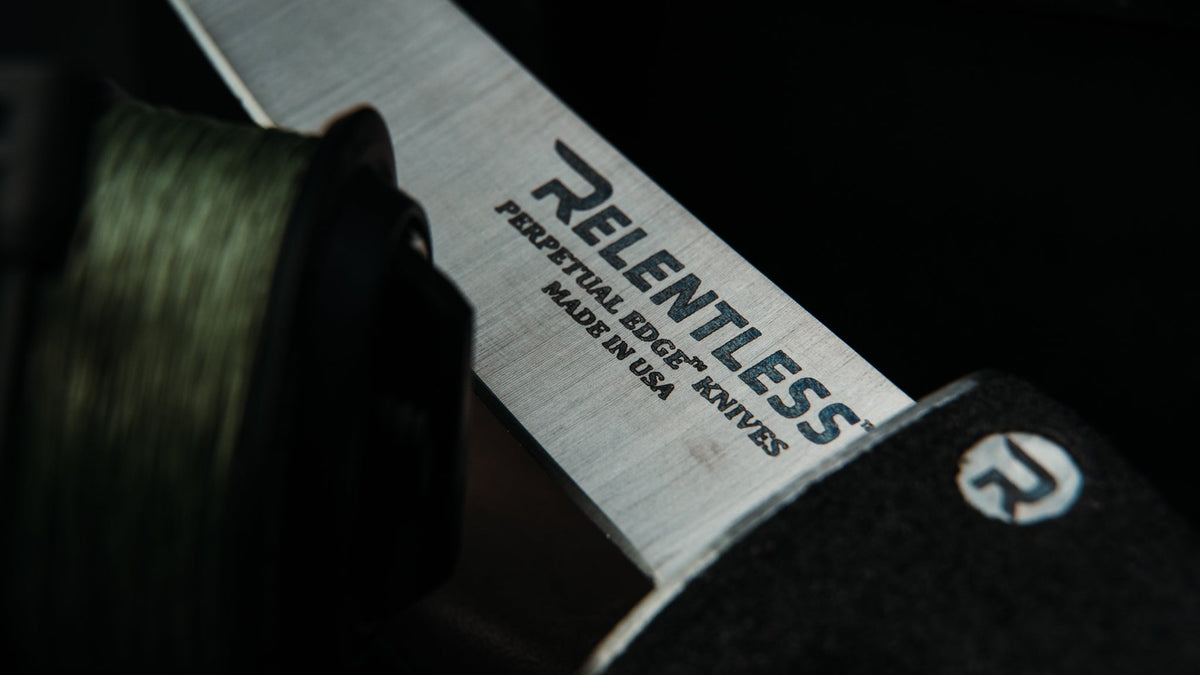
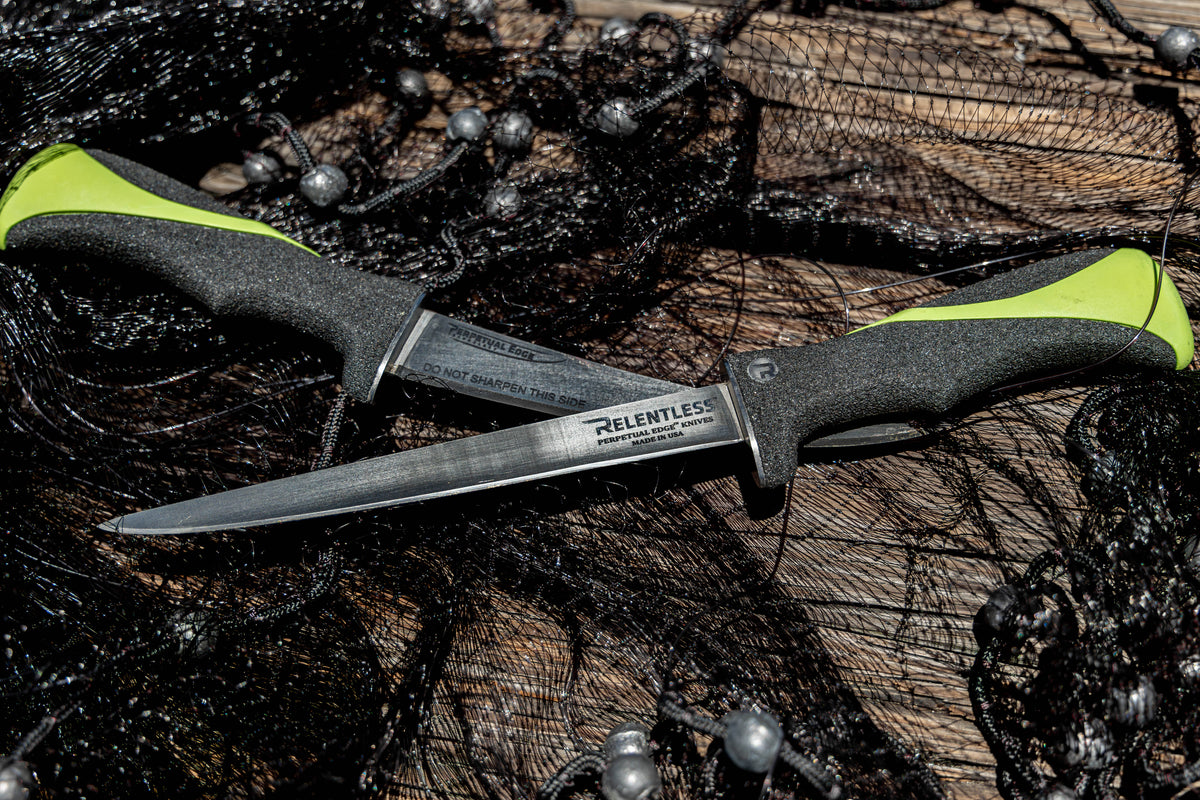
Anglers comparing premium options can use the Relentless 7-inch curved titanium fillet knife as an example of a manual knife designed for demanding fishing conditions.

What Makes a Fillet Knife Top Rated?
Ratings can tell you whether buyers generally like a knife. They cannot tell you whether that knife fits your catch or the conditions where you fish.
For saltwater anglers, seven factors deserve particular attention:
-
Blade length
-
Controlled flex
-
Corrosion resistance
-
Wet-hand grip
-
Edge retention and maintenance
-
Weight and comfort
-
Warranty and long-term support
A knife that performs well in these areas is more useful than one chosen simply because it has a high average rating.
Blade Length and Flex
For mid-sized coastal fish, a 7-inch blade hits a useful middle ground. It gives you enough reach for efficient cuts while remaining manageable around ribs, skin, and smaller detail areas.
Think about cleaning snapper or redfish at the dock. You want enough blade to follow the fish without making a series of short cuts, but you do not need the extra length you might choose for a large mahi-mahi, tuna, or halibut.
Flex matters too. A fillet knife should have enough controlled flex to follow the fish's shape. More flex is not always better. Too much can make precise cuts harder to control.
If your catch ranges from small panfish to large offshore species, see our guide on choosing the right fillet knife size.
Corrosion Resistance
Saltwater changes what you should expect from a fillet knife.
At a coastal cleaning station, a knife may be exposed to saltwater, fish blood, scales, wet cutting surfaces, and humid air. On a boat, it may stay around damp gear until you have a chance to clean everything properly.
That makes corrosion resistance an important buying consideration. Relentless uses aerospace-grade titanium, which helps resist rust and corrosion while keeping blade weight low.
You can learn more about Perpetual Edge Technology, titanium construction, and why Relentless uses these features in its fishing knives.
Grip When Your Hands Are Wet
A handle can feel secure when it is clean and dry, then feel very different once water and fish slime are involved.
Grip matters when you are working through several fish on a wet dock or cleaning table. Relentless uses its True Grit handle, designed to grip in wet, slimy conditions.
For a saltwater fillet knife, practical handle design should carry more weight in your buying decision than appearance alone.

Edge Maintenance and Long-Term Cutting Performance
Almost any quality fillet knife should arrive sharp. A better buying question is what happens after repeated use.
If you regularly clean several fish at a time, edge maintenance becomes part of ownership. Conventional knife edges eventually need sharpening, and hard contact or improper use can affect any blade.
Relentless approaches edge maintenance with Perpetual Edge Technology. Its Power Strip uses carbide and crushed-diamond technology and is engineered to help maintain the cutting edge as you use the knife. SlickCut treatment is designed to help reduce friction while cutting.
That does not mean the knife requires no care or cannot be damaged. Owners should follow Relentless's published care and maintenance instructions.
Manual vs. Electric: Which Is Better for Saltwater Anglers?
Electric fillet knives can be useful when speed and volume are the main priorities. If you regularly process a large cooler of fish, an electric knife may save time during repetitive cutting.
A manual fillet knife offers different advantages. It provides direct feedback as you work around ribs and skin, requires no battery or cord, and is simple to carry on a boat or keep with your fishing gear.
For an angler cleaning several mid-sized saltwater fish rather than processing dozens at once, a quality manual knife offers a practical balance of control, portability, and simplicity.
Neither option is automatically better. Choose based on how many fish you normally process and how much control you want.
A Strong Fit for Mid-Sized Saltwater Fish: 7-Inch Curved Titanium
For the angler this guide is written for, a 7-inch curved manual knife offers a useful combination of size, control, and versatility.
Why 7 Inches Works
A 7-inch blade provides enough working length for fish such as snapper, redfish, sheepshead, and similar coastal species without feeling oversized when working around ribs or making detail cuts.
If your weekends involve a mix of inshore species rather than one specific fish every trip, that versatility becomes particularly useful.
Why Titanium Makes Sense Around Saltwater
Titanium can be a strong choice for saltwater because it combines low weight with corrosion resistance.
That is useful around boats, docks, coastal cleaning stations, and other wet environments. Corrosion resistance does not eliminate the need for proper cleaning, but it makes the blade material well suited to demanding marine conditions.
Why Relentless Is Worth Considering
Relentless builds its knives in the USA from aerospace-grade titanium. The 7-inch curved model combines that material with Perpetual Edge Technology, a True Grit handle for wet conditions, and SlickCut treatment designed to help reduce friction.
Relentless also offers a 90-Day Performance Guarantee and, where applicable, long-term maintenance support.
For anglers who want one premium manual knife for regular coastal use, consider the 7-inch curved titanium fillet knife.
Anglers who want more than one blade configuration can also consider the Relentless Inshore Set.

Is a Top-Rated Premium Fillet Knife Worth the Price?
Not every angler needs a premium fillet knife.
If you fish occasionally and clean only a few fish each season, a basic stainless steel knife may do the job. Premium construction becomes easier to justify when you fish saltwater frequently and spend more time at the cleaning table.
Before spending more, consider:
-
How often do you clean fish?
-
How much time does your gear spend around saltwater?
-
How much routine edge maintenance do you want to do?
-
Does low weight matter during longer cleaning sessions?
-
How important is secure grip with wet or slimy hands?
-
Will long-term warranty and maintenance support matter to you?
Relentless provides long-term support through its Lifetime Maintenance Warranty. Review the current warranty terms for details on coverage, maintenance, repairs, and exclusions.
You can also read feedback from professional anglers and captains who have used Relentless knives in demanding fishing environments.
How to Care for a Fillet Knife After Saltwater Use
Corrosion resistance does not mean maintenance-free. Good habits still matter around saltwater.
Follow the manufacturer's cleaning instructions after use. For Relentless knives, use fresh water and liquid dish soap, rinse with fresh water, and dry the knife. Avoid abrasive or chemical cleaners, and do not put the knife in a dishwasher.
Relentless owners should follow the company's knife care and edge-maintenance guidance rather than treating a Perpetual Edge blade like a conventional knife.
Top Rated Fillet Knife FAQs
What Size Fillet Knife Is Best for Saltwater Fish?
No single size works for every saltwater species.
For mid-sized coastal fish such as snapper, redfish, sheepshead, and sea trout, a 7-inch blade offers a useful balance of reach and control. Smaller fish may be easier to clean with a shorter blade, while large offshore species can benefit from additional length.
Is a 7-Inch Fillet Knife a Good All-Around Size?
Yes, for many anglers. A 7-inch curved blade is a versatile choice for medium-sized freshwater and saltwater fish.
It provides useful reach while remaining manageable when working around ribs, removing skin, or making detail cuts.
Should a Fillet Knife Be Flexible or Stiff?
A fillet knife should generally have enough controlled flex to follow the fish's contours without becoming difficult to guide.
The ideal amount depends on the species, blade length, and task. A highly flexible blade is not automatically better.
Are Titanium Fillet Knives Good for Saltwater?
Titanium can be a strong material for saltwater fillet knives because it combines low weight with corrosion resistance.
Blade material is only part of the decision. A good saltwater fillet knife should also have the right blade length for your catch, useful flex, a secure wet-hand grip, and a design that gives you good control.
Are Manual Fillet Knives Better Than Electric?
Neither is better for every angler.
Manual knives offer control, portability, simple cleanup, and no dependence on batteries or electrical power. Electric knives can be useful when processing large volumes of fish and speed is the main concern.
For a recreational saltwater angler cleaning several mid-sized fish at a time, a quality manual knife is often a practical choice.
Choose a Fillet Knife for the Conditions You Actually Fish
Judge top-rated fillet knives by more than stars and review counts. The better question is whether the knife fits your fish, your environment, and the way you use it.
If you're an angler cleaning mid-sized saltwater fish, start with a 7-inch manual blade. Then look for controlled flex, corrosion resistance, a secure wet-hand grip, manageable edge maintenance, and solid long-term support.
Relentless brings those priorities together with USA-made titanium construction, Perpetual Edge Technology, True Grit handles, and long-term maintenance support.
If that matches the way you fish, shop the Relentless 7-inch curved titanium fillet knife for a manual option built for wet, demanding fishing conditions.

Leave a comment
This site is protected by hCaptcha and the hCaptcha Privacy Policy and Terms of Service apply.