
The best fillet knife for fish depends on what you catch. A 6-inch blade that gives you excellent control over a crappie can feel undersized when you put a large salmon or mahi-mahi on the cleaning table.
As a starting point, choose a 6-inch blade for smaller fish and detail work, a 7-inch blade for all-around use, a 9-inch blade for larger fish, and a longer straight blade for clean passes through broad fillets. From there, consider blade shape, flex, corrosion resistance, grip, and how much edge maintenance you want to deal with.
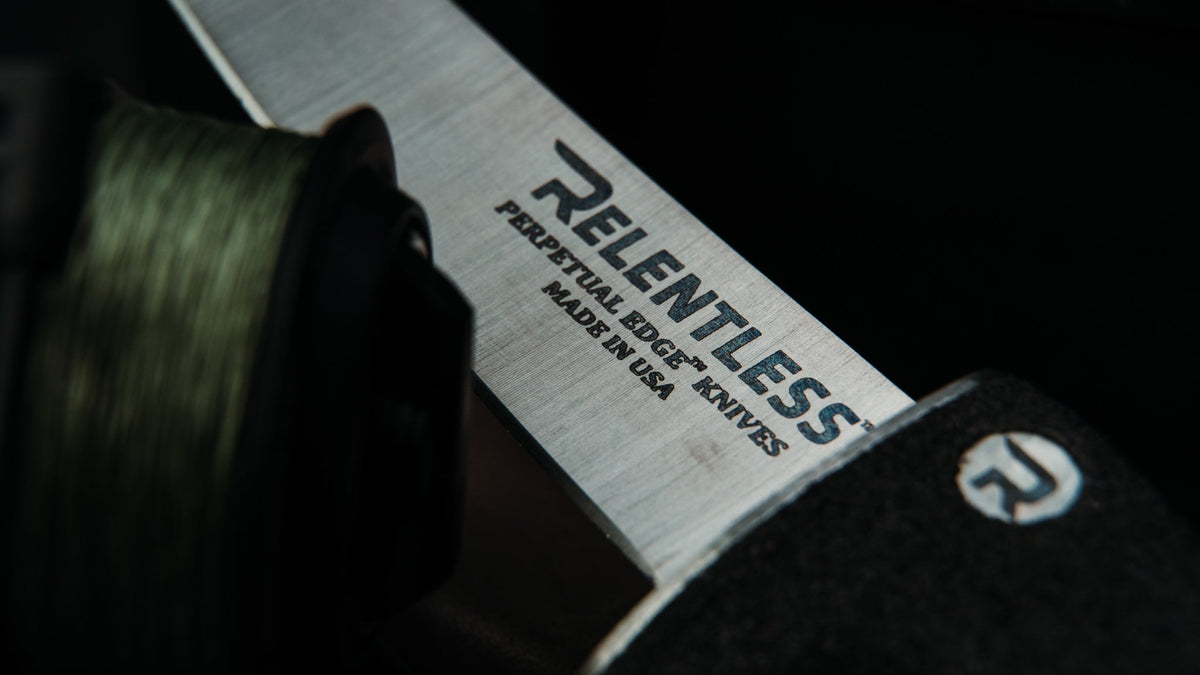
For anglers looking beyond conventional steel, Relentless makes lightweight titanium fillet knives in the USA with corrosion resistance and Perpetual Edge Technology designed to help maintain the cutting edge through use.

Quick Guide: Best Fillet Knife Size by Fish
Blade length is the easiest place to start because the right size gives you enough reach without sacrificing control.
|
Fish or use |
Recommended blade |
Why |
|
Trout, crappie, perch, panfish |
6" curved |
More control for smaller fish and detail work |
|
Bass, walleye, snapper, redfish |
7" curved |
Versatile balance of control and reach |
|
Salmon, mahi-mahi, wahoo |
9" curved |
More reach for larger fillets |
|
Halibut, large salmon, tuna |
10" straight |
Suited to long passes through broad fillets |
A shorter knife is easier to guide when working around the ribs of a crappie or trimming a small trout. As fish get larger, extra blade length lets you cover more of the fillet in a controlled pass.
That makes the 6-inch curved fillet knife for smaller fish a logical starting point for smaller catches. The 7-inch curved fillet knife for all-around use fits anglers who clean a wider mix of species.
For bigger fish, consider the 9-inch curved fillet knife for larger fish or a 10-inch straight fillet knife for long, clean passes.
What Actually Makes the Best Fillet Knife for Fish?
Blade size gets you into the right category. The details determine how well the knife fits your fishing style.
Blade Length and Control
Too much blade can make detail work awkward. Too little can force you to make several cuts where one smooth pass would work better.
Picture cleaning a limit of crappie at camp. A shorter blade lets you work closely around ribs and make precise cuts without having several extra inches of blade in the way.
For walleye, bass, snapper, or redfish, a 7-inch blade becomes a useful middle ground. For someone buying one fillet knife to handle a variety of common fish, that is often the best place to start.
Flexibility and Blade Shape
A good fillet knife needs enough flex and control to follow the fish's shape without feeling unpredictable.
Curved blades work well for sweeping cuts, following rib cages, and removing skin. That makes them a practical choice for most freshwater fish and many coastal species.
Straight blades become useful when the job calls for long, controlled cuts. On a broad salmon or halibut fillet, for example, the extra working length can help reduce the need to stop and reposition the knife.
Edge Retention
A new knife should be sharp. The more important question is how it performs after repeated use.
If you regularly come back to the dock with a cooler of fish, stopping to work on the edge halfway through cleaning gets old quickly. Edge maintenance deserves as much attention as out-of-the-box sharpness.
Relentless takes a different approach with Perpetual Edge Technology. The system incorporates a Power Strip made with carbide and crushed-diamond technology and is engineered to help maintain the knife's cutting edge as you use it.
Corrosion Resistance
Freshwater is hard on gear. Saltwater is harder.
A knife used around salt spray, fish blood, wet cleaning tables, and damp boat compartments needs a material suited to that environment. Relentless uses aerospace-grade titanium, which helps resist rust and corrosion while keeping blade weight low.
That doesn't mean you should neglect any knife. Cleaning, rinsing when appropriate, drying, and inspecting your gear are still good habits after a day on the water.
Wet-Hand Grip and Ergonomics
A handle that feels fine when dry can feel very different when your hands are covered in water and fish slime.
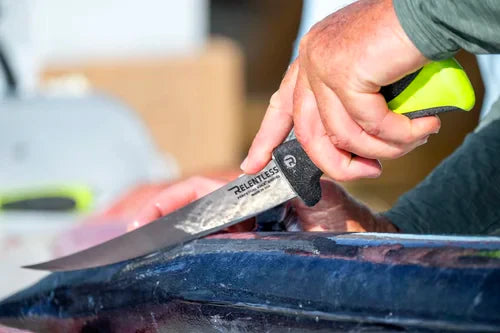
Grip becomes especially important when you are cleaning fish on a wet dock or working through several catches in a row. Relentless uses its True Grit handle, designed to grip in wet, slimy conditions.
Weight matters during repetitive work too. A lightweight knife can be easier on your hand and wrist when a full cleaning table is waiting after a long day of fishing.

Best Relentless Fillet Knives by Use
Once you know what you normally catch, narrowing the choice becomes much easier.
Best for Smaller Fish and Precision: 6" Curved
For trout, crappie, perch, smaller snapper, and other detail-oriented work, the 6-inch curved blade provides more control around smaller rib cages and tight areas.
Choose it when precision matters more than maximum reach.
Best All-Around Choice: 7" Curved
If you want one knife to cover a wide range of common catches, the 7-inch curved blade is a strong starting point.
Seven inches provides useful reach without giving up too much control. It is a practical size for walleye and bass at the lake, then snapper or redfish when you head to the coast.
Best for Larger Fish: 9" Curved
A 9-inch curved blade provides additional reach for larger fillets and longer cuts.
Think salmon, mahi-mahi, wahoo, and other fish where a shorter knife could require more passes. For very broad fish or jobs where you prefer a long, straight cutting path, consider the 10-inch straight option.
Titanium vs. Stainless Steel Fillet Knives
Choosing the best fillet knife for fish is not only about blade length. Material affects weight, corrosion resistance, maintenance, and price.
Stainless steel remains a sensible choice for many anglers. It is widely available across many price ranges and can perform well with proper care. Someone who cleans a few freshwater fish each season may have little reason to spend more.
Titanium becomes more compelling when conditions get tougher. If you regularly fish saltwater, work around wet gear, or want a lightweight blade with strong corrosion resistance, it offers practical advantages.
Relentless pairs aerospace-grade titanium with Perpetual Edge Technology. Its Power Strip uses carbide and crushed-diamond technology and is engineered to help the blade maintain its edge as it cuts. SlickCut anti-friction treatment also helps reduce friction during cutting.
The trade-off is the upfront price. A premium titanium fillet knife costs more than a basic stainless model. The better question is whether corrosion resistance, low weight, edge maintenance, and long-term support are valuable for the way you fish.

Is a Premium Fillet Knife Worth It?
Price makes more sense when you consider how often you'll use the knife.
If you fish twice a year and clean a handful of fish, an inexpensive stainless knife may do everything you need. If you are at the cleaning table every week, regularly fish saltwater, or process larger catches, long-term ownership matters more.
Consider:
-
How often will you use the knife?
-
Will it regularly be exposed to saltwater?
-
How much edge maintenance are you willing to do?
-
Does low weight matter during long cleaning sessions?
-
How secure is the handle when your hands are wet?
-
What support is available if the knife needs maintenance or repair?
Relentless offers a 90-Day Performance Guarantee and long-term support through its "Knife for Life" Lifetime Warranty. Review the current warranty terms for details about covered factory maintenance, repairs, and exclusions.
Anglers considering a premium knife can also read fillet knife feedback from professional anglers who use Relentless knives in demanding fishing environments.
For frequent anglers, the appeal is not one feature alone. It is the combination of USA manufacturing, titanium construction, low weight, corrosion resistance, wet-condition grip, edge technology, and ongoing support.
Fillet Knife FAQs
What Size Fillet Knife Is Best for Most Fish?
A 7-inch curved fillet knife is a strong all-around choice for many anglers. It offers enough control for common freshwater species while providing useful reach for medium-size coastal fish.
Go shorter if you mainly clean crappie, trout, perch, or other smaller fish. Move toward 9 or 10 inches when salmon, mahi-mahi, tuna, halibut, and other large species make up more of your catch.
Is a Curved or Straight Fillet Knife Better?
Neither is universally better.
A curved fillet knife works well for general filleting because its shape suits sweeping cuts, skinning, and following a fish's contours. A longer straight blade can be useful when you want long, controlled passes through broad fillets.
Choose based on the fish you clean rather than assuming one shape is best for every job.
Should a Fillet Knife Be Flexible?
A fillet knife should generally have enough controlled flex to follow bones and the fish's shape. Too much flex can make the blade harder to guide, while a very stiff blade may be less forgiving during delicate work.
The right balance also depends on fish size. Smaller fish often reward more finesse, while larger fish may call for additional blade control.
What Is the Best Fillet Knife for Saltwater Fish?
For saltwater use, look beyond blade size. Corrosion resistance and grip become especially important.
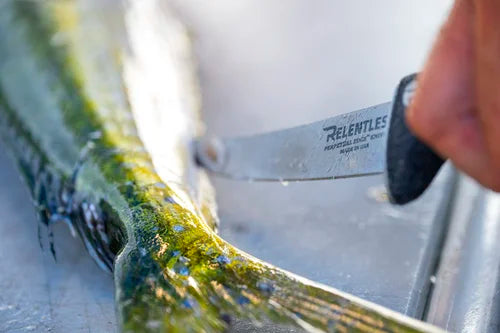
A knife may go from a bloody cleaning table to salt spray and wet storage before you can clean your gear. Titanium's corrosion resistance makes it well suited to these conditions, while a secure handle matters when your hands are wet or slimy.
Blade length should still match the catch. A 7-inch knife works well for many inshore species, while larger offshore fish may suit a 9-inch or longer blade.
How Often Should You Sharpen a Fillet Knife?
There is no useful universal schedule. Sharpening needs depend on blade construction, how frequently you use the knife, what you cut, and whether the edge has been damaged.
Pay attention to cutting performance and inspect the blade regularly, rather than sharpening on a calendar. Relentless owners should follow the company's knife care and sharpening FAQs because Perpetual Edge knives have specific care and maintenance guidance.
Choose the Best Fillet Knife for the Fish You Catch
The best fillet knife fits the fish in front of you.
Start with species and size. Then choose the right blade length, shape, and flex. After that, compare material, corrosion resistance, wet-hand grip, edge maintenance, weight, and long-term support.
For occasional freshwater use, a basic stainless knife may be enough. For anglers who regularly clean fish, work around saltwater, or want a lightweight knife that reduces routine edge maintenance, a premium titanium knife is worth considering.
Relentless builds its fillet knives in the USA using aerospace-grade titanium, Perpetual Edge Technology, True Grit handles, and features designed for wet, demanding fishing conditions.
Ready to choose your blade? Start with the 7-inch curved fillet knife for all-around use if you want one versatile option, or choose the Relentless blade length that best matches the fish you clean most often.

Leave a comment
This site is protected by hCaptcha and the hCaptcha Privacy Policy and Terms of Service apply.