
You've been using the same $30 fillet knife for years. It gets the job done, but you've noticed premium knives selling for $150 or more. That raises a fair question: Are expensive fillet knives worth it?
For some anglers, absolutely. For others, a good budget knife is all they'll ever need.
The difference comes down to how often you fish, what you clean, and whether the added features solve problems you've experienced.
If you regularly clean fish, work in saltwater, or want a knife with specialized edge construction and long-term maintenance support, paying more can make sense.
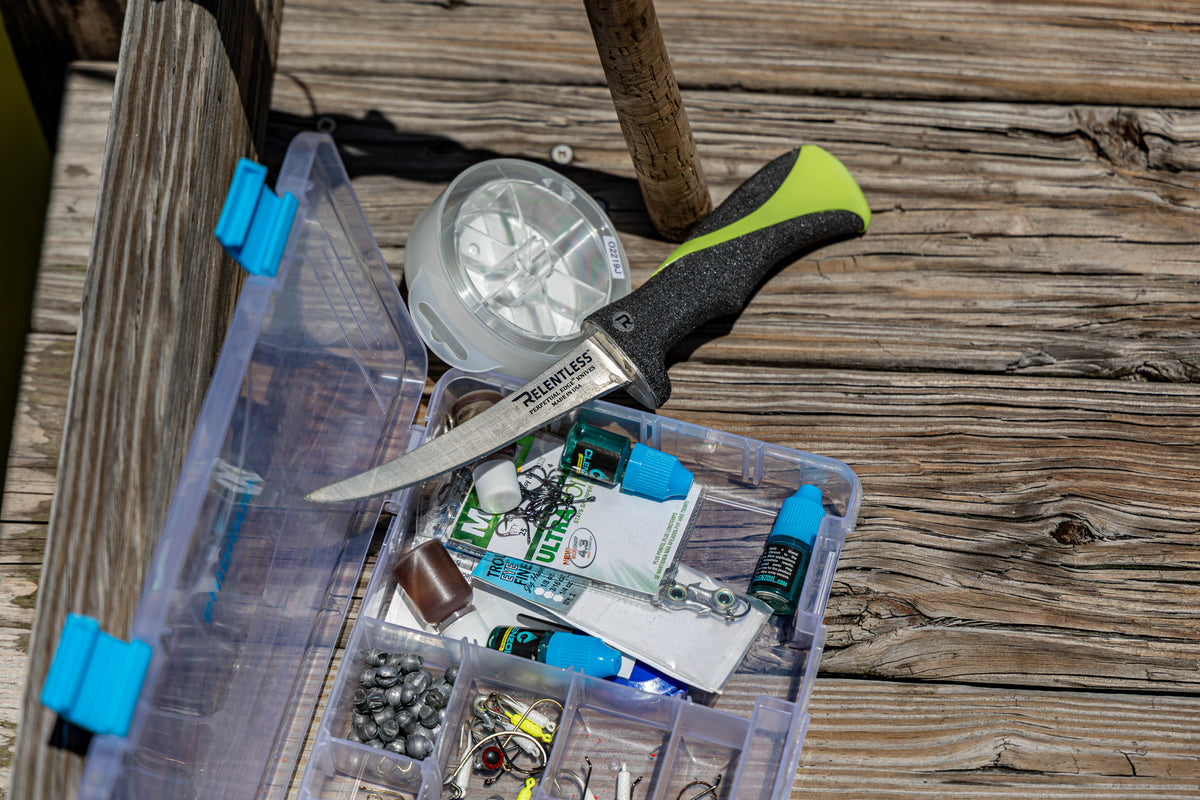
For example, the 7-inch curved titanium fillet knife from Relentless uses Perpetual Edge Technology, designed to help maintain its cutting profile through repeated use.
What Makes an Expensive Fillet Knife Different?
Premium fillet knives may offer better materials, specialized edge construction, improved comfort, and long-term manufacturer support.
But higher prices don't guarantee better performance. The features need to matter when you're actually cleaning fish.
Blade Materials and Corrosion Resistance
Most traditional fillet knives use stainless steel. Depending on the grade and heat treatment, stainless steel can provide excellent cutting performance and edge retention.
Titanium offers different advantages.
It's lightweight and highly corrosion-resistant, making it useful around water, especially in saltwater environments.
If you're cleaning snapper at the dock after a long day offshore, corrosion resistance is worth considering. Salt spray, fish residue, and damp gear can create tough conditions for fishing equipment.
Titanium still requires cleaning and proper care, but its corrosion resistance is a practical benefit.
Edge Design and Cutting Performance
A knife that feels sharp when you first buy it may not maintain that performance through repeated use.
Blade geometry, edge materials, and construction all affect how the cutting edge wears.
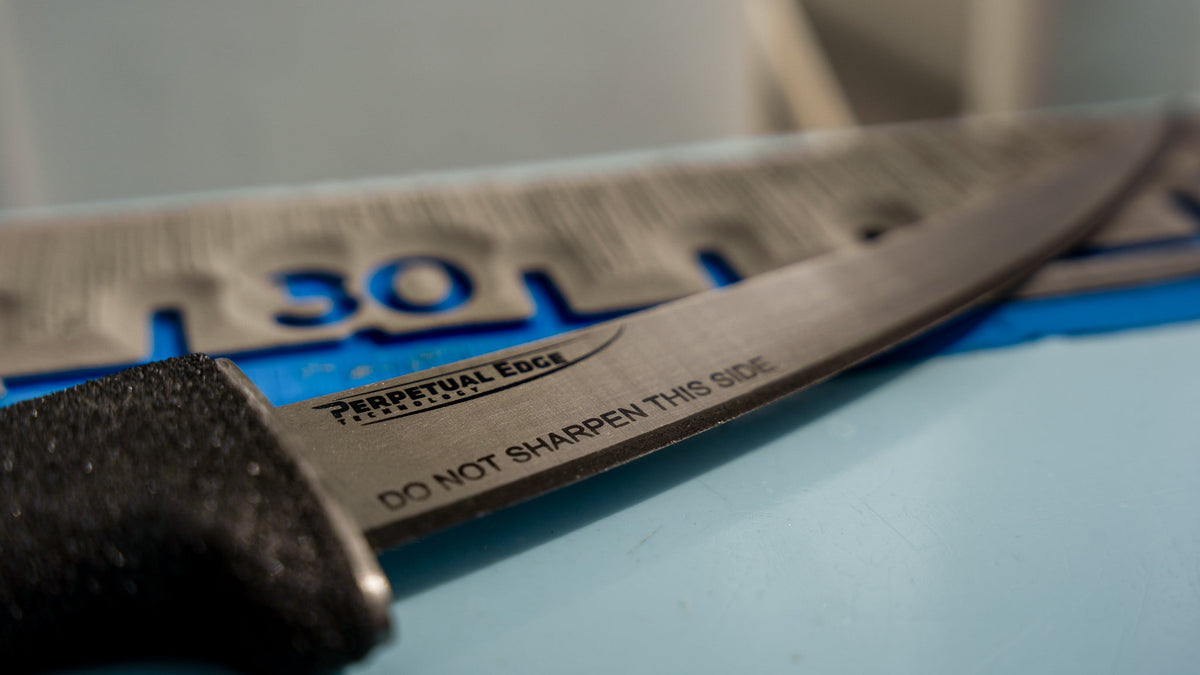
Relentless uses Perpetual Edge Technology, a specialized edge system engineered to sharpen as it cuts.
It shows how premium knife construction can go beyond conventional blade materials.
Handle Comfort and Control
A good handle matters when your hands are wet, slimy, or tired after cleaning several fish.
A secure grip helps you maintain control while working around ribs, backbones, and skin.
Relentless uses its True Grit handle, designed for grip in wet conditions.
The lightweight titanium blade can also make the knife less cumbersome during longer cleaning sessions.
Craftsmanship and Manufacturing
Premium knife prices may reflect additional manufacturing work, finishing, inspection, and quality control.
Relentless knives are made in the USA using aerospace-grade titanium and specialized edge technology.
Domestic manufacturing doesn't automatically make a knife better, but materials, construction methods, and manufacturer support are reasonable factors to consider when comparing prices.
Cheap vs. Expensive Fillet Knives: What Are You Paying For?
Here's how budget and premium fillet knives may differ.
|
Factor |
Budget Fillet Knife |
Premium Fillet Knife |
|
Initial cost |
Lower |
Higher |
|
Blade material |
Often stainless steel |
May use premium steel, titanium, or specialized materials |
|
Edge performance |
Depends on design and maintenance |
May offer specialized edge construction |
|
Corrosion resistance |
Depends on material and care |
Depends on material and construction |
|
Handle |
Varies by model |
May offer improved grip and ergonomics |
|
Maintenance support |
Varies by manufacturer |
May include factory service or repair programs |
|
Best fit |
Occasional use or tighter budgets |
Frequent use or specialized needs |
These are general differences, not guarantees.
Some inexpensive knives perform very well. Some expensive knives include features that won't make much difference for your fishing.
The best value comes from paying for improvements you'll actually use.
Do Expensive Fillet Knives Stay Sharp Longer?
Sometimes, but price alone doesn't determine edge retention.
A well-made stainless steel knife can maintain a useful edge with proper care. An expensive knife can still dull or get damaged if used improperly.
Blade hardness, edge geometry, cutting technique, and maintenance all influence cutting performance.
How Perpetual Edge Technology Approaches Edge Wear
Relentless uses a harder Power Strip along one side of its titanium blade.
The strip incorporates tungsten carbide and crushed diamond technology. Because it's harder than the titanium on the opposite side, the two materials wear at different rates.
This differential-wear design helps maintain a useful cutting profile as the knife cuts.
That doesn't mean the blade is impossible to damage or will never need maintenance.
For anglers cleaning several walleye at camp or working through a cooler of snapper, it's a different approach to edge performance worth considering.

The Real Cost of Owning a Fillet Knife
Purchase price is only part of a knife's cost over time.
Sharpening supplies, repairs, replacement knives, and maintenance can all affect long-term value.
Purchase Price vs. Years of Use
Consider a hypothetical example.
A $30 fillet knife replaced every two years would cost $150 over ten years.
A $150 knife kept for ten years would also have a $150 initial purchase cost.
That doesn't mean inexpensive knives only last two years. A well-maintained budget knife can last much longer.
It also doesn't guarantee that every premium knife will last a decade.
The example simply shows why long-term value matters.
Actual ownership costs depend on how long each knife remains useful, what maintenance it needs, and whether repairs or replacements become necessary. Sharpening supplies, service fees, and shipping may add to either option.
Why Maintenance Support Matters
A knife's value also depends on what happens when it needs attention.
Can the manufacturer sharpen it, repair certain types of damage, or service the handle and sheath?
Relentless provides factory maintenance through its Relentless Lifetime Maintenance Warranty.
Available services include factory sharpening and certain repairs, subject to the company's published terms and limitations.
Owners can also review the Relentless knife care and sharpening guidance to understand proper maintenance.
Long-term service support can add value, especially if you intend to keep your knife for years rather than replace it when problems develop.
When Is an Expensive Fillet Knife Worth the Money?
A premium fillet knife makes the most sense when its features solve problems you regularly encounter.
Consider paying more if:
-
You clean multiple fish on most trips and value consistent cutting performance.
-
You fish in saltwater and want strong corrosion resistance.
-
You spend long sessions filleting fish and prefer a lightweight blade.
-
You want specialized edge construction rather than a conventional cutting edge.
-
You plan to keep your knife for years and value factory maintenance support.
For an angler who regularly cleans walleye at camp or redfish and snapper at the dock, those benefits may justify a higher purchase price.
If you use your knife often, small differences in comfort, control, and maintenance can matter more over time.
When a Budget Fillet Knife Is Good Enough
Not everyone needs an expensive fillet knife.
If you only clean a few crappie or trout each season, a basic stainless steel knife may do everything you need.
The same is true if your current knife cuts well, feels comfortable, and is easy to maintain.
Good technique and proper care can help a budget knife perform well for years.
There's no reason to spend more simply because a knife has a premium price tag.
The better question is whether upgrading would solve a problem you actually have.
Which Relentless Fillet Knife Is Worth Considering?
If you've decided a premium knife makes sense, start by choosing a blade that fits the fish you clean most often.
Relentless offers American-made titanium fillet knives built around Perpetual Edge Technology, corrosion resistance, and lightweight construction.
Best All-Around: 7-Inch Curved Titanium Fillet Knife
The 7-inch curved titanium fillet knife is a versatile option for walleye, bass, redfish, medium snapper, and similar species.
Its curved blade provides useful control when working along backbones and around ribs.
Perpetual Edge Technology helps maintain cutting performance, while SlickCut anti-friction treatment reduces drag through fish.
For anglers who want one knife for both freshwater and coastal fishing, this is a practical starting point.
For Smaller Fish and Precision: 6-Inch Curved Titanium Fillet Knife
The 6-inch curved titanium fillet knife suits smaller fish and detail work.
Think crappie, trout, smaller snapper, and bait preparation.
Its shorter blade makes it easier to maneuver around smaller bones and in tighter areas.
If you're unsure which blade length fits your fishing, our guide to choosing the right fillet knife can help you compare options.

What About the Warranty and Performance Guarantee?
Long-term support is another factor worth considering when buying a premium knife.
Relentless offers two programs.
The 90-Day Performance Guarantee lets eligible buyers try the knife and request a return under the published terms. Return shipping is the customer's responsibility, and original shipping charges are not refundable.
The Lifetime Maintenance Warranty provides ongoing factory maintenance services for qualifying Relentless knives, subject to the program's conditions and repair limitations.
Neither program means the knife is impossible to damage or that every repair is covered without cost.
They do provide additional support that may matter to buyers who want to keep their knives in service for years.
Expensive Fillet Knife FAQs
How Much Should I Spend on a Fillet Knife?
Spend based on how often you fish, the conditions you face, and the features you value.
An occasional angler may be satisfied with a budget knife. Someone who cleans fish regularly may find a premium model worthwhile.
Are Expensive Fillet Knives Better Than Cheap Ones?
Not always.
Premium knives may offer specialized materials, edge construction, improved ergonomics, or long-term maintenance support.
But price alone doesn't guarantee better performance.
Do Premium Fillet Knives Need Sharpening?
Yes. Premium knives may eventually need sharpening or edge maintenance.
The correct method depends on the knife's construction. Relentless knives use a specialized edge, so follow the manufacturer's instructions.
Is Titanium Worth Paying More for in a Fillet Knife?
It can be, especially for anglers who value lightweight construction and strong corrosion resistance.
Edge design matters too. Titanium alone doesn't guarantee better conventional edge retention than hardened steel.
How Long Should a Quality Fillet Knife Last?
There's no universal lifespan.
Construction, use frequency, maintenance, accidental damage, and repair support all affect how long a knife stays useful.
So, Are Expensive Fillet Knives Worth It?
For the right angler, yes.
An expensive fillet knife is worth it when its materials, cutting performance, comfort, and long-term support deliver benefits you'll actually use.
If you only clean a few fish each year, a well-maintained budget knife may be enough.
But if you regularly process fish, work in saltwater, or want specialized edge technology and factory maintenance support, a premium knife may be a worthwhile investment.
Relentless Knives USA combines American manufacturing, aerospace-grade titanium, and Perpetual Edge Technology in knives built for demanding fishing conditions.
If you're ready to compare premium options, shop the Relentless 7-inch curved titanium fillet knife and see whether its features match the way you fish.

Leave a comment
This site is protected by hCaptcha and the hCaptcha Privacy Policy and Terms of Service apply.